Offsets and Credits
Types of Offset Projects
Compare the main carbon offset project types: clean energy, reforestation and avoided deforestation, and methane capture, with their strengths and their risks.
Why project type matters
A credit is a promise that a tonne of greenhouse gas was reduced, avoided or removed. How that tonne was achieved determines how durable it is, how easy it is to measure and how exposed it is to reversal. An emission avoided by displacing coal power is gone for good. A tonne stored in a tree can return to the atmosphere if the tree burns. Two credits at the same price can therefore carry very different risk, and a buyer who ignores project type is buying a number without knowing what stands behind it.
The families below are the ones a buyer will meet most often. Each is legitimate when it is well run, and each has a weak version that a careless market will still sell.
Clean energy projects
Clean energy offsets fund wind, solar, hydro or other low carbon generation that displaces fossil power. The logic is straightforward: a megawatt hour from a wind farm replaces a megawatt hour that would otherwise have come from coal or gas, and the difference is credited. Measurement is comparatively easy, because the output of a generator is metered, and permanence is not a concern, since the avoided emission does not come back.
The weak point is additionality. If a project was going to be built anyway because it was already profitable, then the credit did not cause the reduction. This is the criticism most often aimed at older renewable energy credits, and it is why many standards now require evidence that the project needed carbon revenue to proceed. A well chosen clean energy offset is among the most reliable, provided the additionality case is real and documented.
Reforestation and avoided deforestation
Forestry is the only family that removes carbon dioxide from the atmosphere and locks it into living material, which makes it uniquely valuable in principle. Reforestation plants new forest, afforestation establishes forest where none grew recently, and avoided deforestation pays to keep standing forest standing. A mature forest stores an enormous amount of carbon, and protecting it avoids a large and immediate release.
The risks are equally large. Permanence is the obvious one: fire, pests, drought, illegal logging or a later change of land use can reverse the storage years after the credits were sold. Measurement is harder than for a power plant, because biomass is estimated rather than metered. And additionality can be fragile if the forest was not genuinely under threat. Standards respond with buffer pools, long monitoring periods and, in some cases, obligations to replace lost credits, but a buyer should still treat forestry as higher risk than energy and should look for a project with a clear, independently checked plan for the decades ahead. The verification guide explains how permanence is handled.
Methane capture
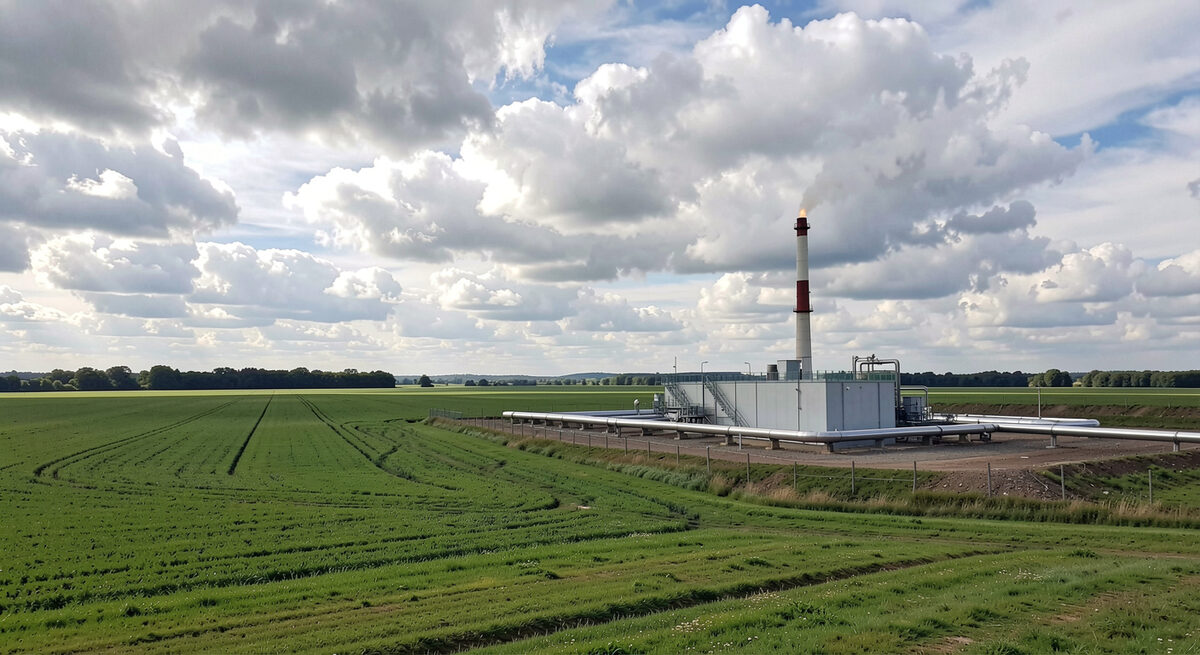
Methane is a far more potent greenhouse gas than carbon dioxide, which makes capturing it one of the fastest ways to reduce warming. Methane capture projects trap gas from landfills, livestock operations or coal mines and either burn it, which converts it to less potent carbon dioxide, or use it to generate energy. The impact per dollar can be large, because each tonne of methane destroyed is worth many tonnes of CO2e.
The questions to ask are whether the gas would otherwise have been released, how long the capture will be maintained and what happens when the funding ends. A landfill that flares methane for the life of the credit period but vents it afterwards has delayed rather than solved the problem. As with all offsets, the durability of the arrangement matters as much as the tonnage claimed.
Cookstoves, efficiency and other project types
Beyond the three large families, a number of smaller project types appear in the market. Improved cookstove projects distribute more efficient stoves, reducing the fuel burned for cooking and the smoke inhaled indoors. Water purification projects avoid the fuel otherwise used to boil water. Energy efficiency projects upgrade industrial equipment or buildings. Each can be legitimate, and each carries its own measurement challenge. Cookstove projects in particular have drawn scrutiny over whether the assumed fuel savings match real behaviour, which is exactly the kind of assumption an independent verifier is meant to test.
The lesson generalises: a project type is credible when its baseline and its monitoring method can be defended, whatever the family. The mechanics guide shows how those assumptions feed into the credits a buyer eventually receives.
Removals versus avoidance
A useful distinction cuts across the families. Avoidance offsets, such as clean energy or protected forest, prevent emissions that would otherwise have occurred. Removal offsets, such as new planting or, increasingly, engineered capture, take carbon out of the air. Both have a place, but they are not interchangeable. Avoidance is generally cheaper and easier to verify; removal addresses the harder problem of the carbon already in the atmosphere. A credible portfolio often holds both, and a credible claim states which kind it used.
The mechanics guide follows how a credit from any of these families reaches a buyer, and the offsets section shows how project choice fits into a claim. For the practical questions of cost and comparison, the questions page is the shortest route.